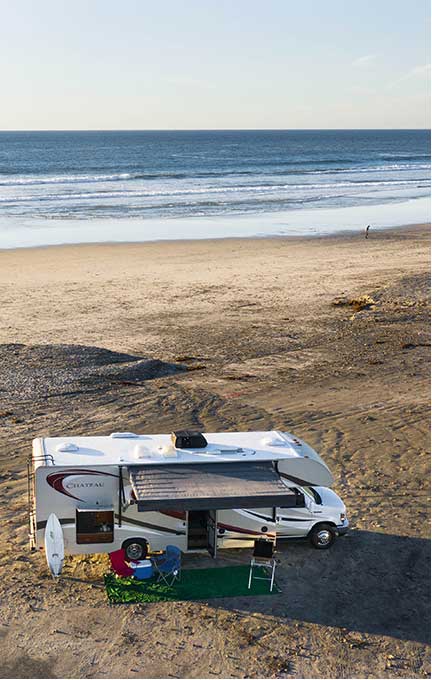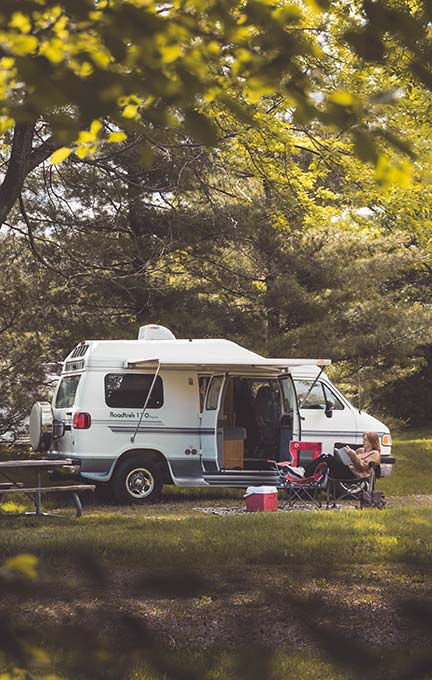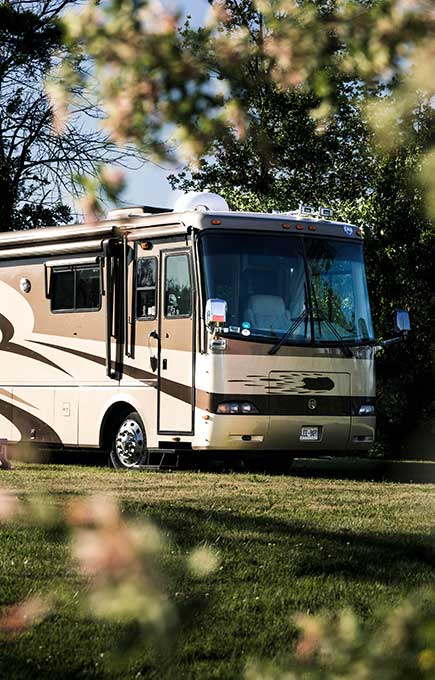





The cost to live in an RV full time usually runs about $1,500 to $5,000 a month, with many people landing at roughly $2,300 to $4,000 for a mid-range setup — a modest loan or paid-off rig and a mix of campgrounds. Where you fall depends on whether you own your RV outright, how often you move, and how many nights you pay for a campsite.
The call of the open road is irresistible to many, presenting a vision of freedom where each day brings a new horizon. RV living encapsulates this nomadic dream, but it's accompanied by financial considerations that must be carefully planned. Understanding the cost of RV living is essential before setting out.
Cost of RV living at a glance
- Monthly total: about $1,500 on a frugal budget with a paid-off rig, up to $5,000 or more with a financed motorhome and full-hookup sites.
- Campsites: the median RV site runs just over $60 a night; monthly rates and public land cost far less.
- Fuel: regular gas averaged about $4.27 a gallon and diesel about $6.35 in late October 2026.
- Insurance: RV coverage averaged $594 a year for a travel trailer and $1,052 for a motorhome in 2024. Health coverage is often the bigger bill.
- Repairs: set aside $100 to $300 a month.
The Cost of Luxury vs. Budget-Friendly Campgrounds
The type of campgrounds you select will significantly impact your budget. In 2026, the median RV site ran just over $60 a night, and the average across all campground stays sits in the low $70s. Luxury RV resorts are comparable to high-end hotels, featuring pools, clubhouses, and other premium amenities, and they charge well above that median. Browse our list of luxury RV parks across the U.S. to see what the extra money buys.
For those seeking a more economical approach, public land is the budget champion. In the Southwest desert, the Bureau of Land Management's long-term visitor areas charge $180 for a full-season permit from September 15 to April 15, or $40 for any 14 consecutive days. Boondocking on public land can cost nothing at all, though you give up hookups.
KOA campgrounds offer a balance, with various amenities and the security of a well-established brand. Rates vary by location and season, so check the specific campground before you build it into your budget. Your choice will hinge on your comfort preferences and how much you're willing to invest in convenience and additional services.
Average Camping Costs Over Time
For full-time RVers, understanding long-term costs is crucial. Paying the 2026 median nightly rate every night of the month would come to a little over $1,800, but few full-timers pay nightly. Weekly and monthly rates usually cost less per night, and our guide to RV park rates breaks down what drives the difference.
Ask whether electricity is included in a long-term rate, since many parks meter it separately. Renters we talk to who stay a month at a time, or who mix park stays with public land, consistently spend less on campsites than those who move every few nights.
Maintenance and Upkeep Expenses
Maintaining an RV, your home on wheels, is essential. Full-timers are commonly advised to set aside $100 to $300 a month in a repair fund, plus an emergency fund of at least $5,000 for major failures. Regular servicing extends your RV's life and helps avoid expensive future repairs. Maintenance covers various needs, from engine checks to appliances, ensuring a smooth journey. In our experience, the full-timers who stay on the road longest treat that repair fund like rent — they pay it every month, even when nothing's broken.
For the bills owners tend to forget, like tires, batteries, and roof sealant, see the hidden costs of RV ownership.
Fuel, Utilities, and Miscellaneous Costs
Fuel is another significant expense for RVers, with costs varying widely depending on RV type and distances traveled. In the week of October 26, 2026, U.S. drivers paid an average of $4.27 a gallon for regular gas and $6.35 for diesel. At those prices, every 100 gallons costs about $427 in gas or $635 in diesel, so how far you drive each month matters more than almost any other choice. Staying put longer is the easiest fuel saver.
Utilities, including electricity, water, and propane, vary with travel patterns, RV efficiency, and personal usage. These can also be included in the price of your campsite depending on the RV park. Expect propane use to climb in cold weather.
Storage costs for the RV during periods of non-use can also accumulate, varying by location and storage type—whether it's indoor, outdoor, or climate-controlled. Our guide to long-term RV parking covers the options.
How much does insurance cost for full-time RVers?
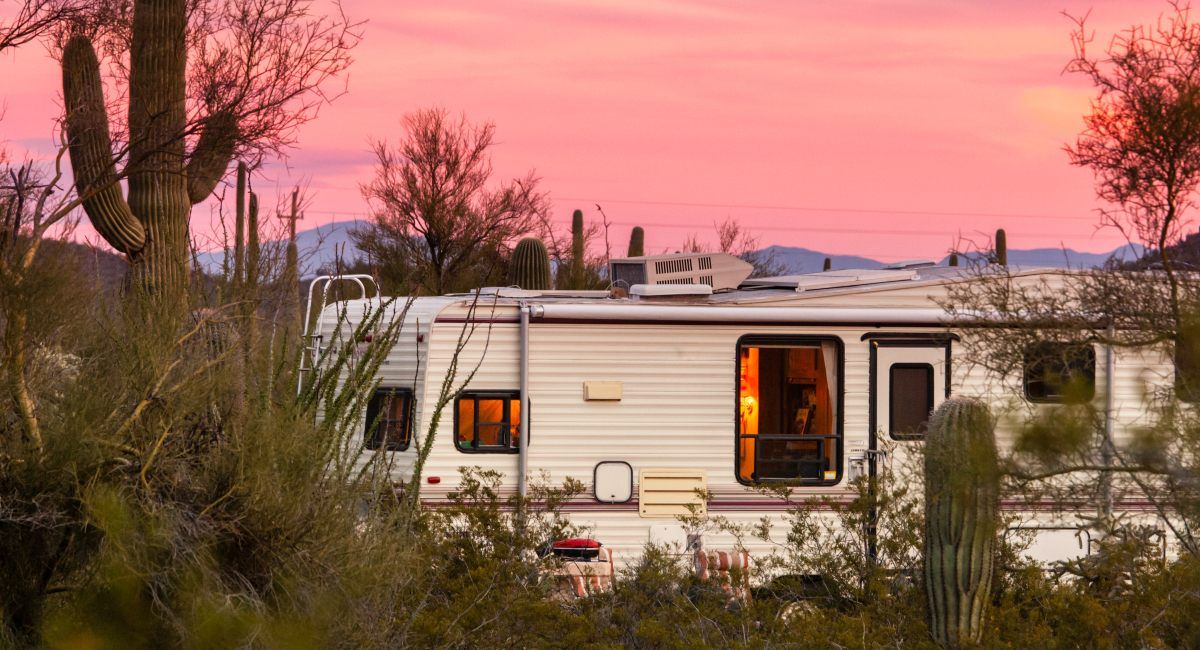
RV insurance is usually cheaper than people expect. Progressive's countrywide 12-month RV policy averaged $594 for a travel trailer and $1,052 for a motorhome in 2024 — roughly $50 to $90 a month. Full-timers typically pay more, because an RV you live in six months or more a year may need extra coverage, such as personal liability and medical payments, that works much like homeowners insurance.
Health insurance is often the bigger bill. If you buy your own plan on the ACA marketplace, the average benchmark premium was $625 a month for a 40-year-old in 2026, up from $497 in 2025, before any tax credit. What you pay depends on your age, income, and the state you claim as home, so weigh health coverage when you choose a domicile state. We've heard from plenty of new full-timers that health coverage, not campsites, turned out to be their biggest monthly line.
What do internet and mail cost on the road?
Reliable internet is a must if you work remotely. Starlink's Roam plans for RVs cost $55 to $175 a month — $55 for 100GB of data, $80 for 300GB, or $175 for unlimited — on top of the hardware. Many full-timers keep a cellular hotspot plan as a backup, so budget for both if your income depends on staying online.
Mail costs much less. A mail-forwarding service gives you a physical address, scans or forwards your mail, and can help you set up a domicile state. The Escapees RV Club's mail service runs $125 to $175 a year at standard rates (new-subscriber promotions can be lower), depending on how your mail is sorted, plus a $50 postage deposit, and you need an Escapees membership to use it.
What changes your monthly cost the most?
Three choices drive most of the gap between a $1,500 month and a $5,000 one:
- Whether you have an RV payment. A paid-off rig removes what is often the single largest line in the budget.
- How often you move. Every move burns fuel and usually means paying nightly rates instead of weekly or monthly ones.
- Where you sleep. Public land and long-term park sites cost a fraction of resort stays.
Groceries matter too. A month of home-cooked food for a couple aged 20 to 50 costs about $630 to $808 on the USDA's thrifty-to-moderate food plans for September 2026 (with the USDA's 10% adjustment for two-person households), and eating out pushes that higher.
The best way to find your own number is to live it for a while. A long-term RV rental lets you test a month of full-time costs before you buy a rig. We've watched long-term renters find their real budget fast, and it usually comes down to how often they moved.
Comparison of Van Life and RV Life Costs
Choosing between van life and RV life depends on personal preference, comfort, and budget. Van lifers often spend less than RV dwellers thanks to the smaller space, better fuel economy, and fewer systems to maintain. RVs, offering more space and convenience, typically command a higher cost of living. If you're leaning small, our roundup of the best van life campers is a good place to start.
Travel Trailers vs. Motorhomes: A Cost Analysis
Choosing the right type of RV impacts your budget significantly. Your campsite, food, and phone bills look about the same in any rig; what changes is the purchase price, insurance, fuel, and upkeep. A travel trailer typically costs $20,000 to $35,000, while a Class C motorhome averages $65,000 to $140,000. Insurance follows the same pattern — the 2024 averages above put a motorhome at about 75% more than a travel trailer. A motorhome also has an engine and drivetrain to maintain, while a travel trailer needs a capable tow vehicle, and that truck's payment, fuel, and insurance belong in your budget too.
Travel trailers usually have lower upfront and maintenance costs compared to motorhomes. This affordability makes them an attractive option for those new to RV living or travelers who prefer a more budget-conscious approach. Fifth wheels, popular with full-timers for their space, average $40,000 to $65,000, and luxury models cost far more.
Depreciation and Long-Term Investments
Considering the long-term financial implications of RV ownership, including depreciation, is important. RVs lose value over time, which can affect your financial planning. New vehicles, RVs included, can lose about 20% of their value in the first year, and they keep dropping in the years after. Travel trailers and fifth wheels have different price points and depreciate at various rates. While the initial cost of a travel trailer can be much lower than that of a fifth wheel, both types of RVs will depreciate, and this should be factored into your budgeting.
To maximize your RV's resale value, it's critical to maintain it well and make smart choices about upgrades and repairs. Good maintenance can help reduce the loss when it's time to sell or trade in your RV for a new model or different type of adventure. When that day comes, see our guide to whether Kelley Blue Book covers RVs to find out where to look up a fair price.
Expert Perspectives on RV Living Costs
Experienced full-timers are the best source of budgeting reality checks. Marc and Julie, the couple behind the RVLove blog, have lived, worked, and traveled by RV since 2014 and share what they've learned about life on the road.
Their experience matches what countless RV enthusiasts have found: a successful transition to RV living involves a clear understanding of expenses and a commitment to managing them effectively. Living on the road requires adaptability not only in where you sleep each night but also in how you manage your finances.
Not ready to go full time? If you're pricing a single trip, our RV vs. hotel cost breakdown runs the numbers, and our guide to RV rental fees and hidden costs shows what to expect at checkout.
Is RV living worth the cost?
The allure of life on the road is strong, but it comes with a set of financial responsibilities that are as crucial to your adventure as a map and a compass. With careful planning, a realistic budget, and an understanding of the cost of RV living, this lifestyle can be as rewarding financially as it is personally.
Whether you're drawn to the minimalism of van life or the relative luxury of a motorhome, the key to success is to plan your budget as meticulously as you plan your route. With the right financial strategy, the RV lifestyle can offer a sense of freedom and joy that is unparalleled – rent one and take it for a test drive.
About this guide
Originally written by Outdoorsy author Josh Schukman. Updated in November 2026 by the Outdoorsy Editorial team. Facts in this guide were checked against official and primary sources, linked throughout. Prices for campsites, fuel, insurance, and internet change often, so confirm current rates with each provider before you set your budget.