
Most RV rental mistakes are the same handful of first-timer missteps, and every one has a simple fix. Renters get tripped up by booking too big a rig, rushing the pickup walkthrough, driving the thing like a car, planning too many miles a day, overlooking fees and deposit rules, and skipping the photos that protect their deposit. Get ahead of those six and your first trip goes smoothly. Here's each mistake, why it costs you, and exactly how to avoid it.
The quick version
- Renting too big a rig is the most common mistake — it's harder to drive and park and costs more to fuel. Start with a 24 to 28 foot Class C.
- Rushing the pickup walkthrough means you miss how the systems work and skip the damage photos that protect your deposit.
- Driving it like a car — car GPS, ignoring height and turning radius — leads to wrong turns and low-clearance scares.
- Planning too many miles a day burns you out; cap it at 200 to 300 miles.
- Not photographing the rig at pickup is how deposit disputes start. Document everything.
Let's take them one at a time.
Why is renting too big a rig the most common mistake?
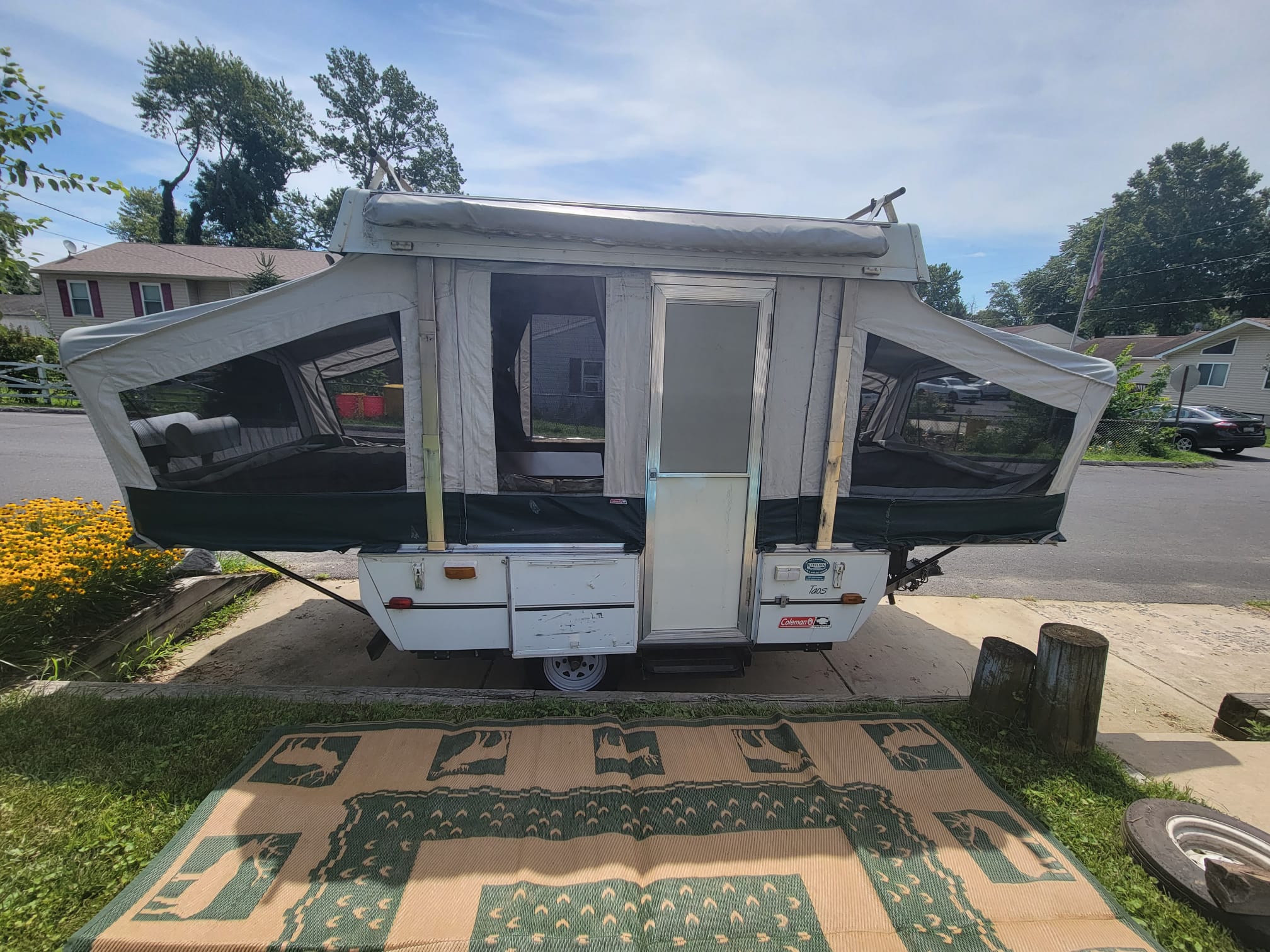
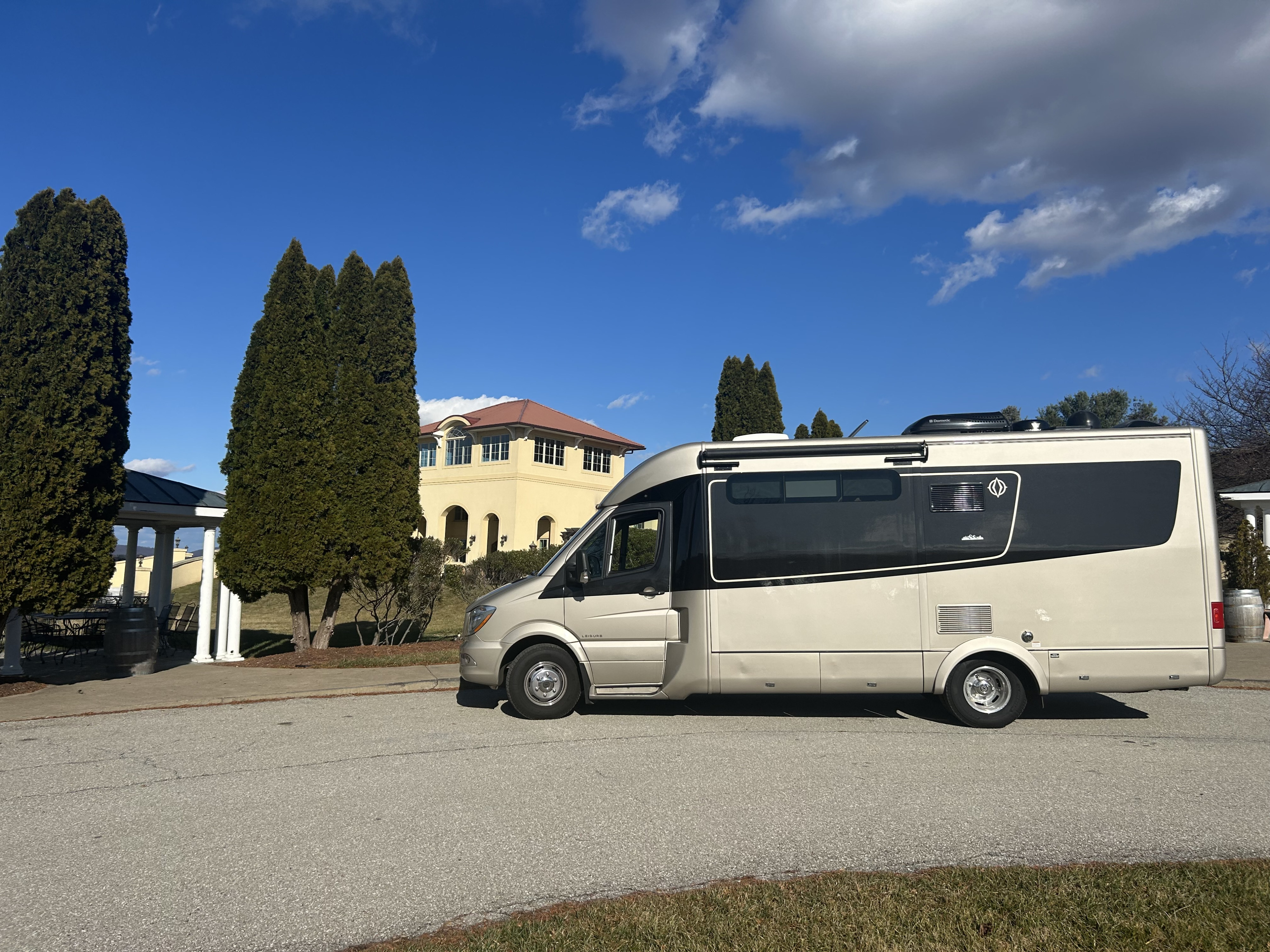
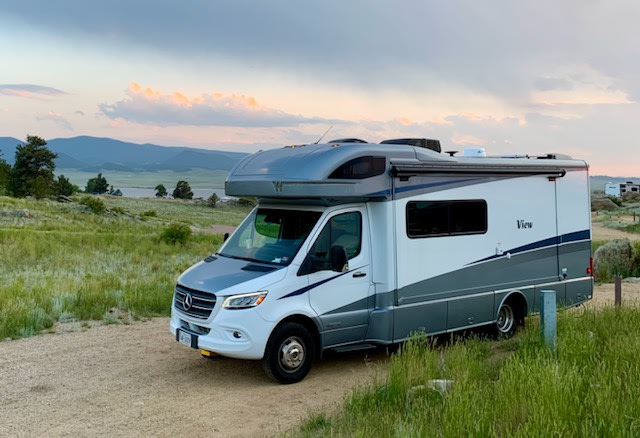
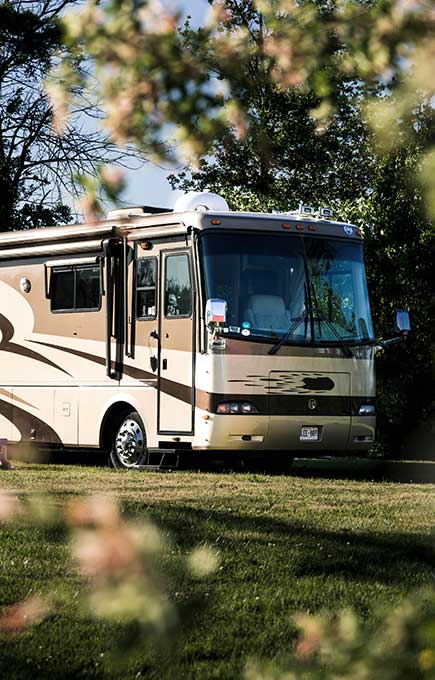
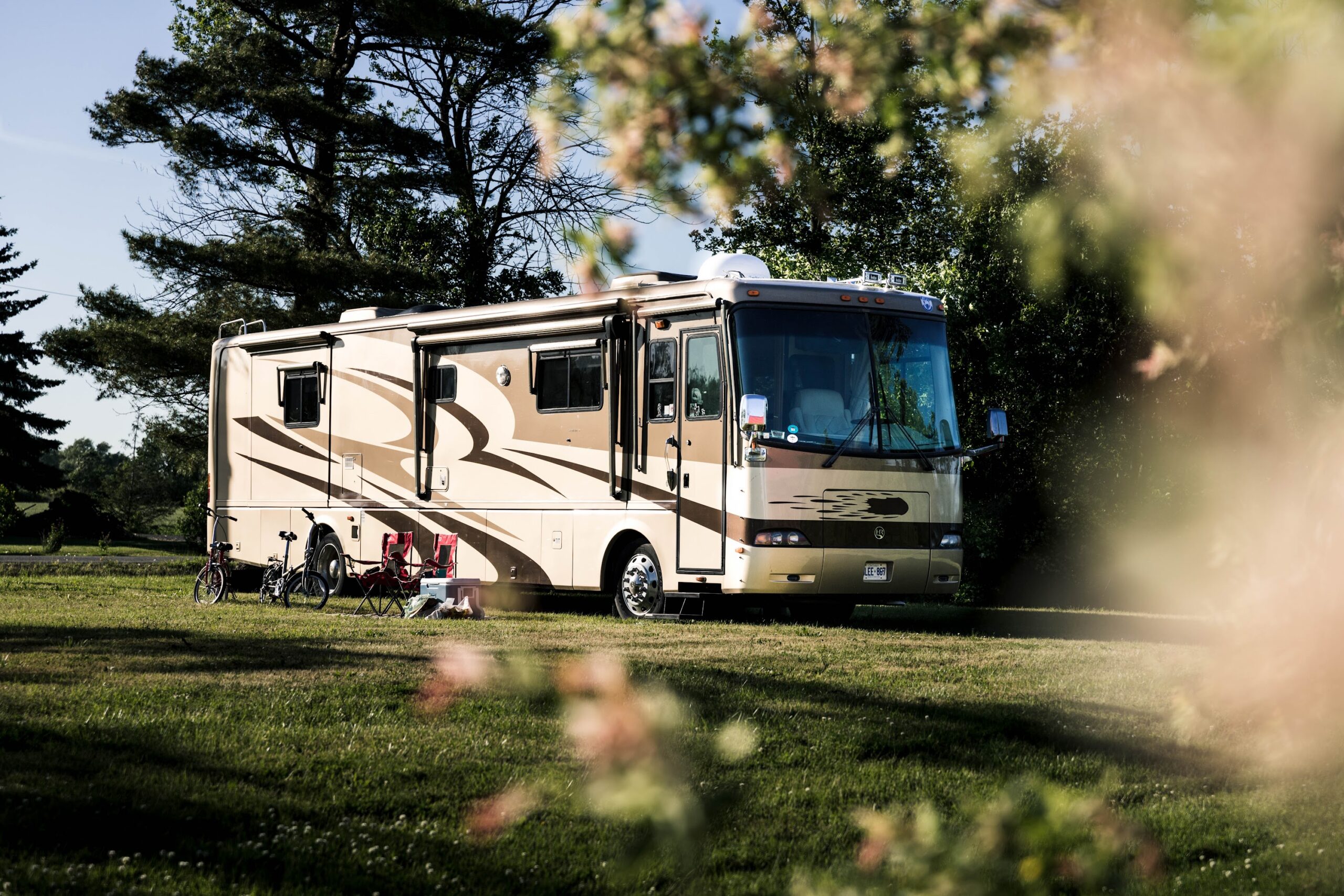
Because the biggest RV on the listing looks impressive, and then it's hard to drive, hard to park, and expensive to fuel. First-timers often book a large Class A or a fifth wheel "because it looks cool," then spend the trip fighting the rig instead of enjoying it. Hosts tell us the renters who size down for a first trip are the ones who book again.
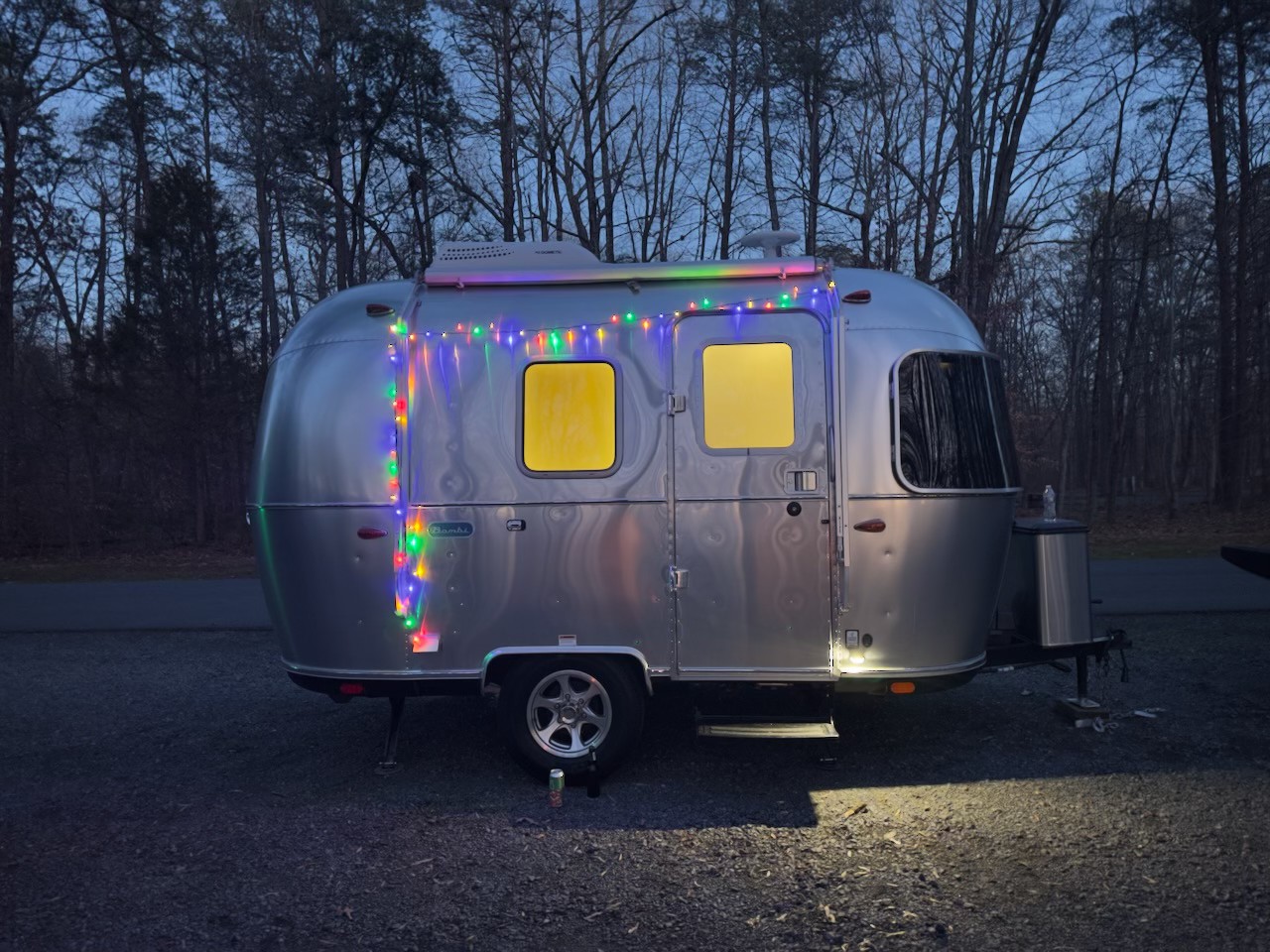
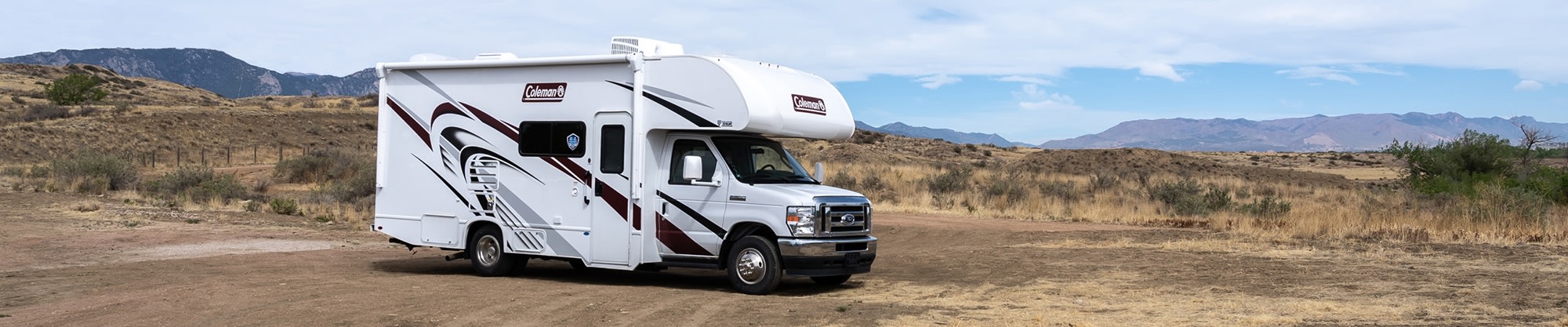
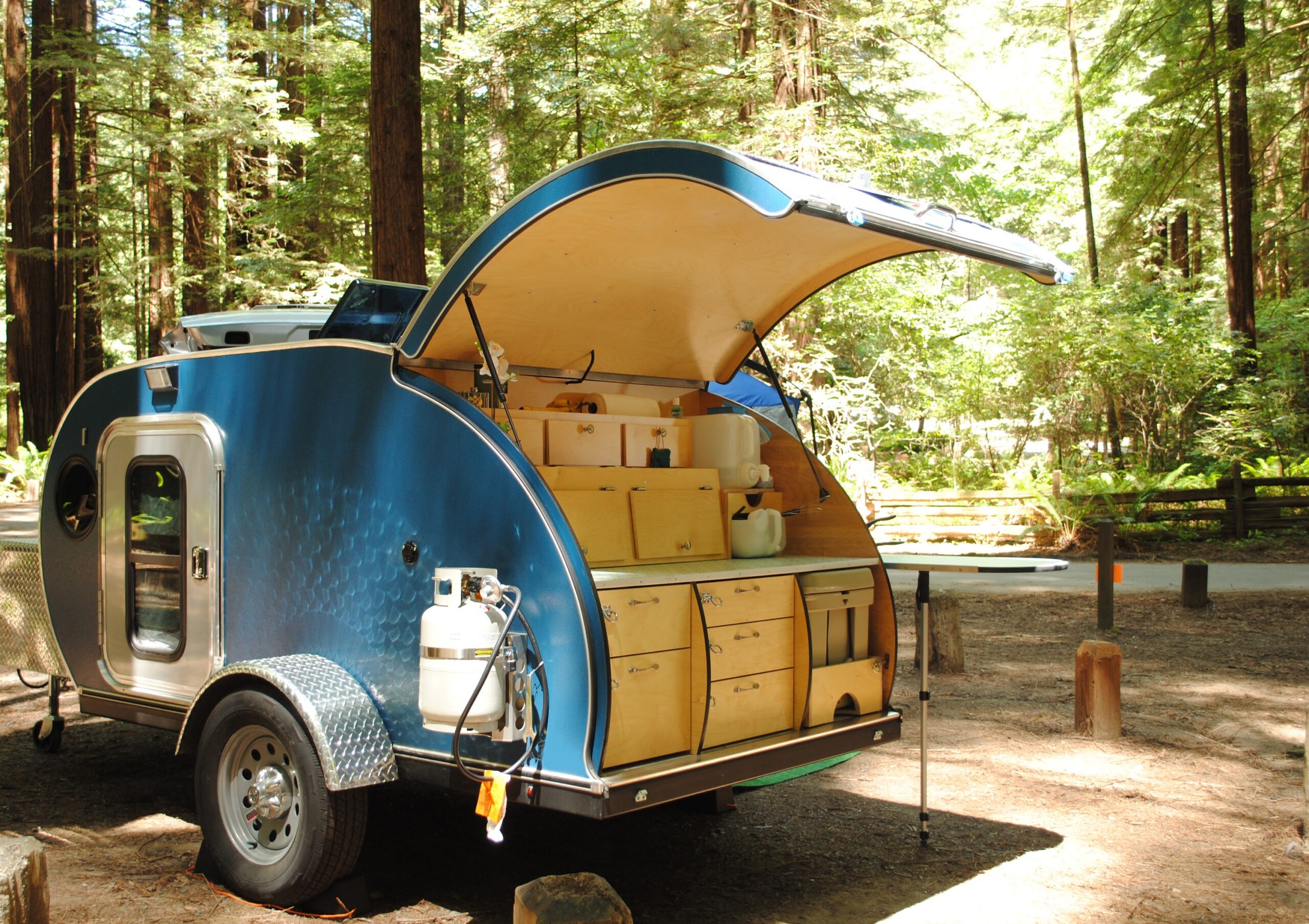
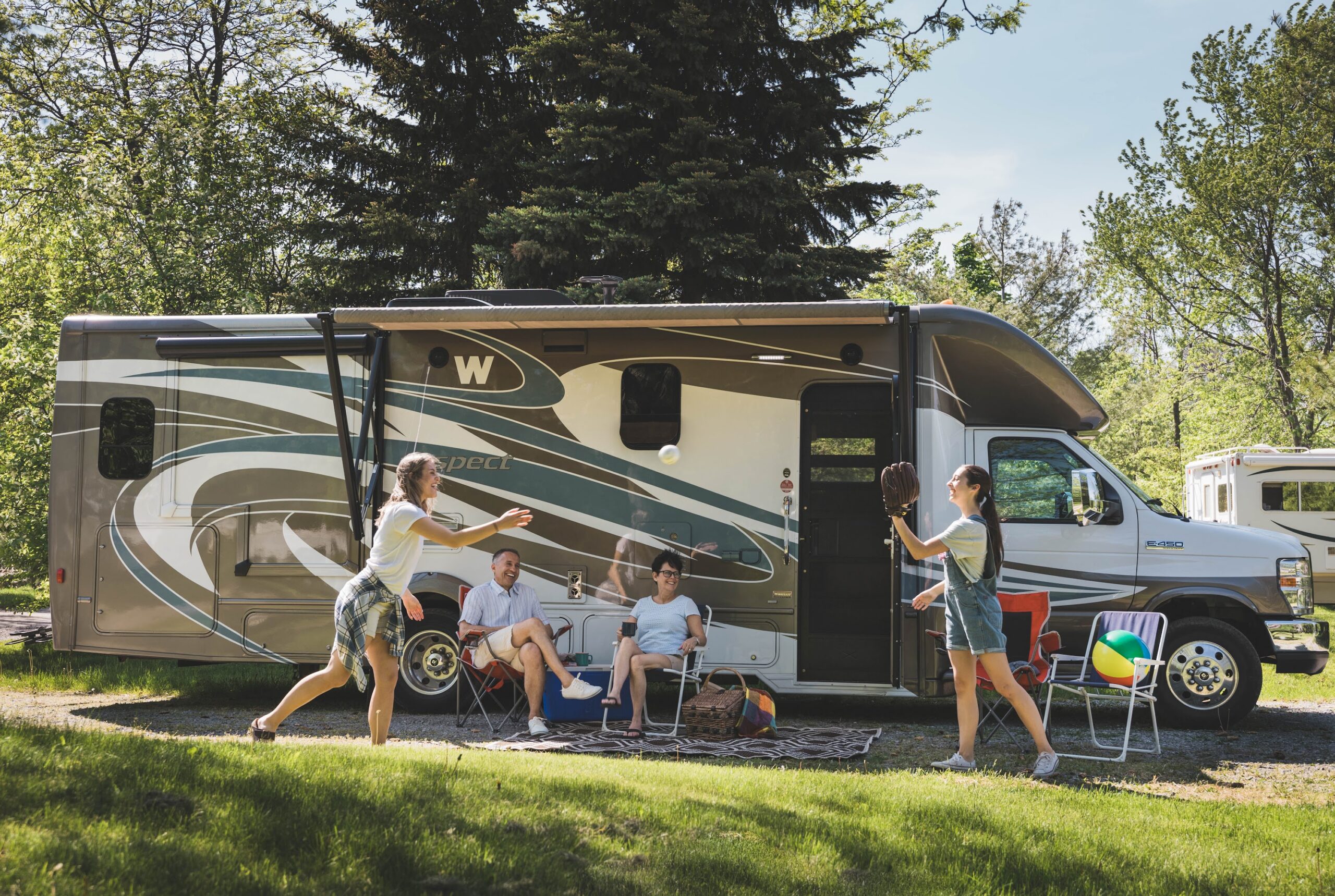
The fix is boring and it works: for a first rental, choose a 24 to 28 foot Class C, or a modest travel trailer if you're confident towing. A rig in that range drives on a familiar truck or van chassis, fits far more campground sites, and costs less to run — while still giving you a real bathroom, kitchen, and beds. Bigger isn't better on a first trip; right-sized is. In our experience, the renters who lose the most sleep are the ones who booked the largest rig on the lot. The RV Industry Association gives first-time renters the same advice: try a Class C, which it calls spacious and easy to drive.
What goes wrong when you rush the pickup walkthrough?
You leave without knowing how the rig actually works — and without the photos that protect your deposit. Skipping or rushing the pickup walkthrough is how first-timers end up calling the host at 9 p.m. trying to figure out the water pump, or getting charged for a scratch that was already there.
Block extra time at pickup and treat it as a lesson. Run a full systems demo — water, electric, propane, slides, awning, generator, tanks — test the lights and backup camera, and photograph the exterior from every angle plus the fuel gauge and odometer. Keep the host's number handy. We've seen renters lose part of a deposit over damage they didn't cause, and it often traces back to skipped pickup photos. Our first-time RV rental checklist covers what to confirm before you drive off.
Why can't you drive an RV like a car?
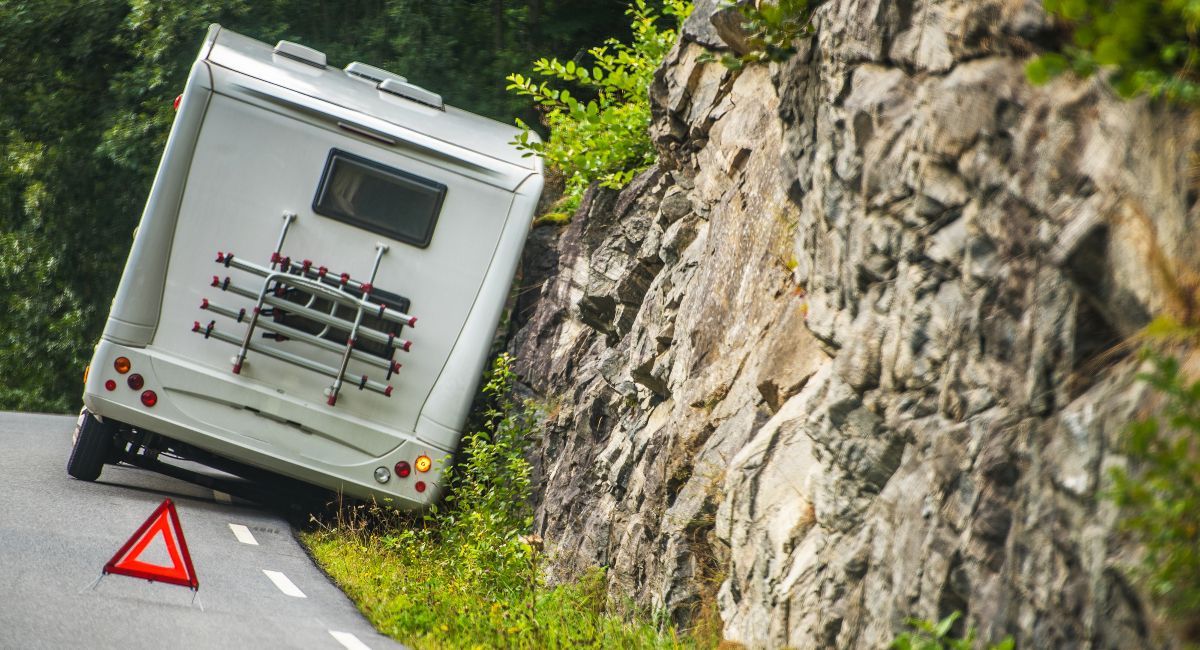
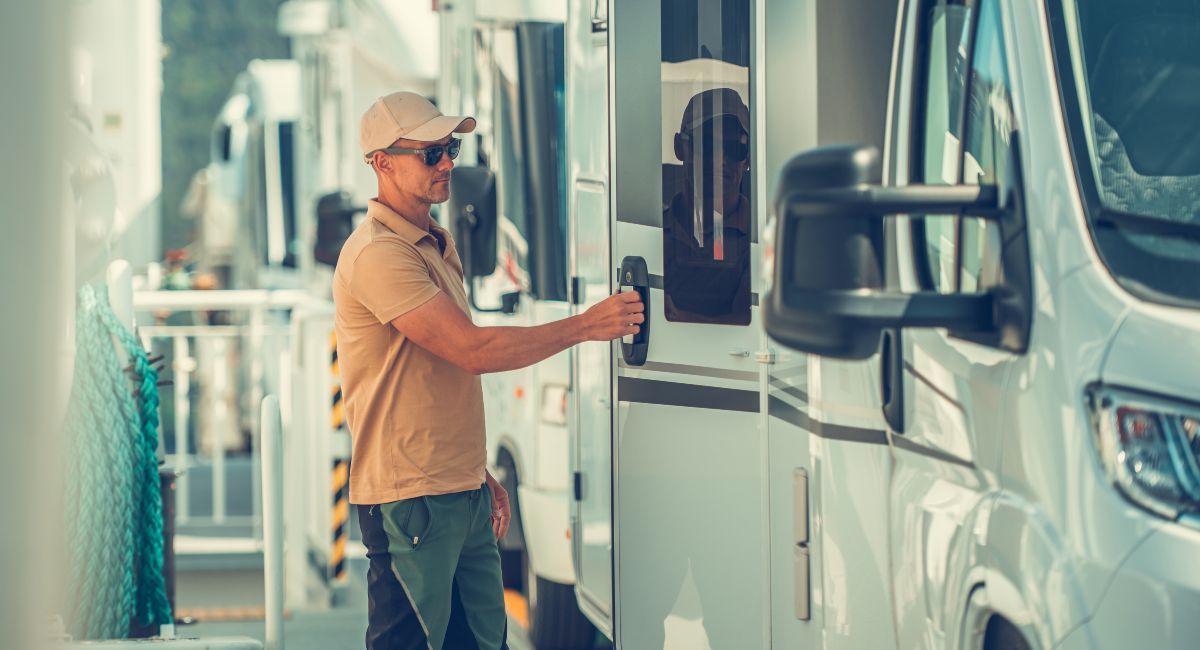
Because it's taller, wider, longer, and slower to stop — and your car's habits will get you into trouble. The classic mistakes are using a regular car GPS (which happily routes you under a low bridge or down a road too tight to turn around) and forgetting the rig's height and turning radius. We've watched first-timers take a gas station canopy corner too tight; a slow, wide swing and a quick look at the roofline fixes it.
Drive it like the large vehicle it is. Use an RV-specific route or GPS that accounts for height and weight limits, know your clearance and watch for low bridges and gas-station canopies, plan wider turns, and leave far more braking distance than you think you need. Use a spotter when backing into a site. The other half of this mistake is mechanical: forgetting to retract the awning and slides before you drive off, which does real damage fast. A quick pre-drive walk-around catches it every time.
How many miles a day is too many?
More than about 300 miles a day is too many for most RV trips, and it's a mistake first-timers make constantly. RVs cruise slower than cars, drink more fuel, and take longer at every stop, so an ambitious daily distance turns a vacation into a slog.
Cap your driving around 200 to 300 miles a day and you'll reach camp with daylight left to set up and relax. Shorter days also leave margin for the good surprises — a scenic pullout, a slow mountain pass, or a campground you love enough to stay an extra night. Renters we hear from who keep the day near 250 miles often say the trip felt like a vacation instead of a road march. Plan the route around where you want to be, not how far you can get — a ceiling the RV world's 2-2-2 and 3-3-3 rules put at 200 to 300 miles a day.
Which fees and deposit rules trip renters up?
The ones that aren't in the nightly rate. Renters budget for the per-night price and then get surprised by the mileage cap, generator hours, insurance or protection plan, and cleaning fee — plus a refundable security deposit, usually $500 to $1,500 (and, as of October 2026, at least $1,500 for a Class A on Outdoorsy), placed as a temporary hold on your card. KOA's RV camping guide is a good refresher on dumping the tanks before return, which helps you avoid one of the most common add-on charges.
Read the listing's fee section before you book and ask the host to confirm anything ambiguous. Know your mileage allowance so you can plan a route that stays under it, understand what the deposit covers (damage, extra cleaning, refueling, dumping fees), and have a card ready for the deposit hold — confirm with your host which payment methods work, since a debit card may not suit every host or bank. For a sense of what rigs cost per night before the extras, our RV rental prices guide lays it out. Reading the fine print for ten minutes saves the sticker shock at checkout, and Outdoorsy's security deposit policy explains how the hold works and when it's released.
What should you photograph and check before you drive off?
Before you pull away, photograph the RV inside and out — every angle, any existing damage, the fuel gauge, and the odometer — and do a final systems and walk-around check. This is the single habit that prevents the most common rental headache.
Confirm the tanks are empty and the fresh water is where you want it, check that the propane is on if you'll need the fridge, and make sure you know how to level, extend, and retract the slides and awning. Walk the exterior one last time: awning in, slides in, steps up, hookups stowed, nothing left plugged in.
Then keep those photos until your deposit is refunded. A clean, documented start and finish is what turns a deposit hold into a full, prompt refund.
Ready to get it right? Browse RV rentals near you and start with a rig that's easy to learn. Find what moves you.
About this guide
We compile our Outdoorsy guides from verified sources — for this one, first-time-renter guidance from RV industry and rental resources, plus our own rental research — alongside conversations with Outdoorsy hosts and renters who see these mistakes (and the fixes) firsthand, and well-traveled patterns in the RV community. Fees, deposits, and requirements vary by host and rig; always confirm the specific terms on the listing and with your host before you book.