

The security deposit conversation makes renters nervous. It shouldn’t — but it does, usually because nobody explained it clearly upfront.
So let’s fix that. Here’s everything you need to know about deposits, damage liability, and how to make sure you get your money back without a fight.
What a Security Deposit Actually Is
A security deposit is not a fee. It’s a hold.
When you book an RV through Outdoorsy, the owner places a hold on your credit card — typically $500–$1,500, though this varies by owner and vehicle value. That money doesn’t leave your account. It sits there, temporarily unavailable, as a good-faith guarantee that you’ll return the RV in the condition you received it.
Return the rig right, and the hold releases. No charge, no drama, no paperwork. For the overwhelming majority of rentals, that’s exactly what happens.
The hold exists to cover scenarios the owner couldn’t otherwise recover from without significant effort: undisclosed damage, an interior left in genuine disrepair, tanks that weren’t dumped before return. It’s not a trap — it’s a reasonable safeguard for someone lending you a vehicle worth tens of thousands of dollars.
What Can Trigger a Deposit Charge
Understanding what puts a deposit at risk is the most practical thing in this article. Here’s the list:
Exterior damage. Dents, scrapes, broken mirrors, cracked windshields, and damaged awnings — anything that wasn’t there when you picked up the rig. Even minor cosmetic damage can result in a legitimate charge, because repairs to RV exteriors aren’t cheap and the owner’s next renter will notice.
Interior damage. This is where renters often get surprised: upholstery tears, stains, broken cabinet doors, damaged appliances, cracked countertops. Standard protection plans typically don’t cover interior damage. If you break something inside the rig, you’re likely looking at a direct charge — deposit or otherwise.
Tanks not dumped. If you return the RV with full grey and black tanks, the owner has to handle that before their next rental. Most owners will charge for it. It’s a reasonable charge for an avoidable situation.
Excessive cleaning. A normally-used, lived-in RV is expected to need a standard clean between rentals — that’s what the cleaning fee covers. “Excessive” means something beyond that: pet hair on surfaces where no pet was disclosed, food ground into upholstery, sand throughout the interior, or a kitchen that needs deep degreasing. If the rig requires significantly more effort than a standard turnover, expect a charge.
Fuel. Some owners require the fuel tank or propane tanks returned at the level they provided them. Returning below that level can result in a fuel charge at whatever rate the owner specifies.
Undisclosed pets. If you brought a pet without disclosing it or without owner permission, and there’s evidence of it — hair, damage, odor — you’ve broken the rental agreement. Expect to lose at least part of your deposit.
Additional mileage. If your rental had a mileage cap and you went over it, overage charges come out of the deposit or are charged separately at the agreed rate.
The One Thing That Protects You More Than Anything Else
Say it with us: document before you leave.
Pre-rental documentation is the single most effective protection a renter has. It costs ten minutes. It takes nothing but your phone.
Before you drive off — ideally before you sign anything and certainly before you leave the owner’s location — do a complete walkthrough:
Exterior: Walk all four sides of the RV. Photograph every existing scratch, dent, scuff, and ding — even the ones that seem too small to matter. Get close-up shots and wide shots that establish location. Do the roof if it’s accessible. Check the awning, the entry steps, the hitch and tow components.
Interior: Open every cabinet. Photograph the upholstery, the flooring, the appliances, the bathroom fixtures, the mattress. If there’s an existing stain, a cracked cabinet face, or a worn spot on the counter, photograph it.
Make it timestamped. The photos from your phone camera automatically timestamp in the file metadata. That timestamp is evidence that the photos were taken before your rental began. Don’t rely on memory. Don’t rely on the owner’s word. Rely on dated photos.
Note damage on the rental agreement or in writing. If you find pre-existing damage during your walkthrough, point it out to the owner and document that you flagged it — a text message with photos sent to the owner creates a record. If the owner has a pre-rental condition form, fill it out accurately.
This ten-minute process has ended more deposit disputes than any claims procedure ever will. If something comes up at return, you have dated documentation showing the condition of the rig when you received it. That’s the whole ballgame.
At Return: How to Make Sure the Deposit Releases
This part is simple, but it requires attention in those last few hours when everyone’s tired and ready to be home.
Dump the tanks. Both of them. Grey and black, fully drained. If you’re unsure of the procedure, refer to your owner’s instructions or the hookup guide you got at pickup. This is not optional — it’s the most commonly charged departure item.
Clean the interior. Not a professional deep clean. A reasonable clean. Dishes washed and put away, surfaces wiped, floor swept, bathroom tidied, trash removed. Leave it the way you’d want to find it.
Return the fuel to the level specified in your rental agreement. If propane is included in that requirement, check the tanks.
Document at return too. Before you hand over the keys, do the same exterior and interior walkthrough you did at pickup. Photograph the same surfaces. If you caused any damage during the trip, you already know about it — document it accurately rather than hoping it won’t be noticed. Honesty at this stage is both the right move and the practical one: it frames you as a responsible renter and gives you standing in the claims process.
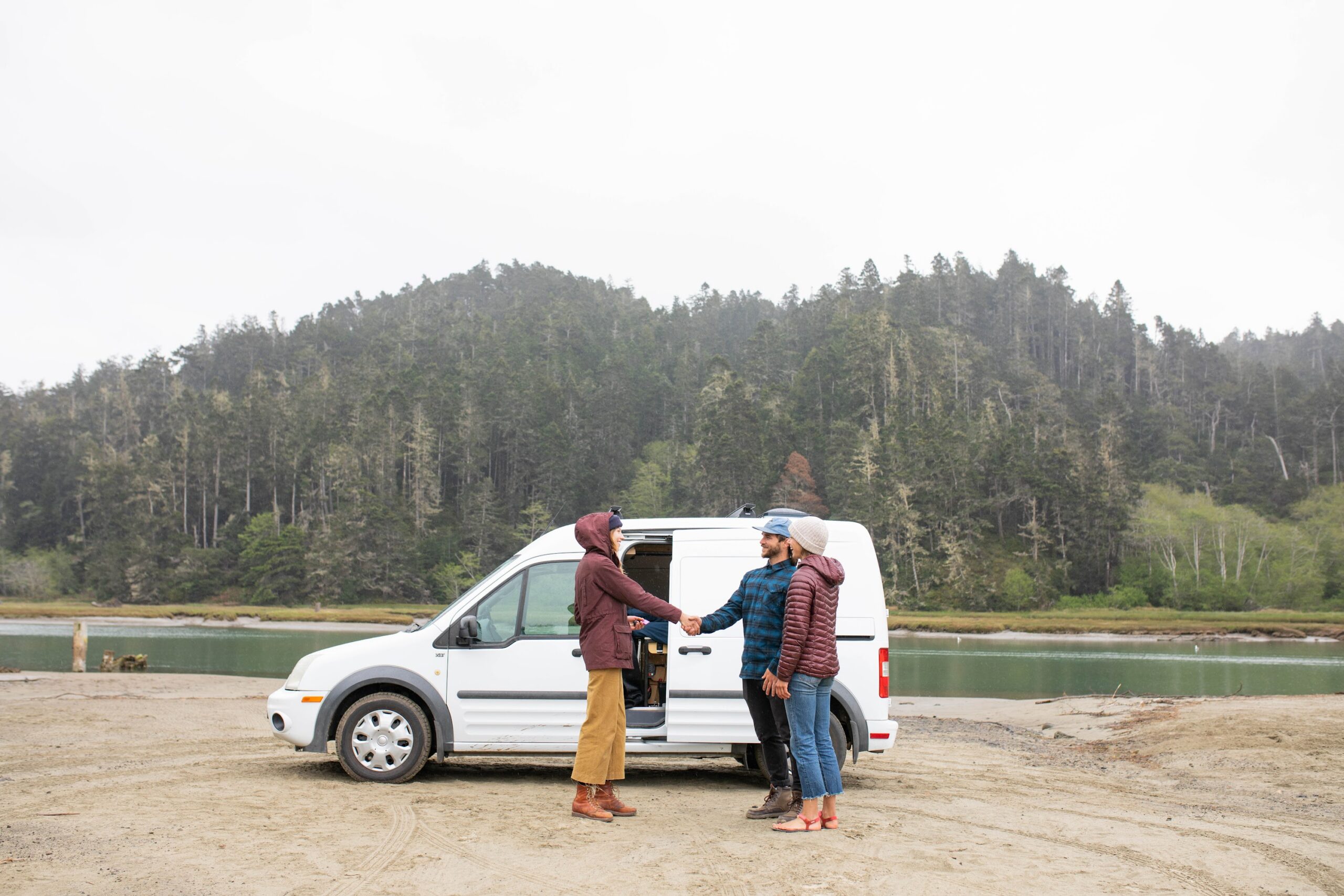
Do a walkthrough with the owner if possible. An in-person return with the owner present, where you walk the rig together before the keys change hands, is the cleanest handoff. Both parties see the same thing at the same time. If there’s a question about something, you can address it on the spot.
If You’re Charged for Damage You Didn’t Cause
This happens. Rarely — but it happens. Here’s how to handle it.
Don’t escalate immediately. Start with a direct, factual message to the owner. Something like: “I noticed a damage charge on my account. I have photos from pickup showing this area of the vehicle was already damaged before my rental began — sending them now. Can we discuss?”
Most damage disputes are resolved at this level. Owners who are acting in good faith will review the documentation and adjust the charge if pre-existing damage is established.
If that doesn’t resolve it, escalate to Outdoorsy. The platform’s resolution process exists for exactly this situation. Submit your pre-rental documentation — timestamped photos, any written communication where you flagged the damage, the rental agreement — and request a review. Outdoorsy mediates disputes between renters and owners and has the ability to reverse or adjust charges that aren’t substantiated.
Be factual, not emotional. The documentation does the talking. Your job in a dispute is to present evidence clearly and let the process work. A calm, factual account with good documentation resolves faster than an angry one with none.
Timeline matters. Respond to any charge notification promptly. Disputing a charge weeks after the fact is harder than doing it the week of return. If something appears on your account that doesn’t look right, deal with it quickly.
Normal Wear vs. Chargeable Damage: The Line
This question comes up constantly in RV rental forums, and the line isn’t always obvious. Here’s how to think about it:
Normal wear — generally not chargeable:
- Minor surface scuffs below the threshold of the existing condition
- Light dust or dirt consistent with normal outdoor use
- Typical interior odors from cooking or living that clean out normally
- Minor fabric compression from sitting or sleeping
Chargeable damage:
- New dents, scratches, or paint transfer not present at pickup
- Torn, stained, or burned upholstery or carpet
- Broken fixtures, cabinet doors, or appliances
- Damage to slideouts, awning, or exterior components
- Any damage resulting from improper operation (driving with slides out, awning left in wind, etc.)
The clearest version of the rule: if it requires a repair or professional cleaning that a reasonable owner wouldn’t have done between every single rental, it’s probably chargeable. If it’s the normal cost of operating a vehicle that gets used outdoors by real people, it’s probably not.
When in doubt about something you’ve noticed — either pre-existing or something that happened during your trip — document it and communicate it. Transparency protects you in both directions.
A Note on Disputes: The Owner’s Perspective
Worth understanding, because it makes the process make more sense.
Owners aren’t trying to extract money from renters. The math doesn’t work that way — a dispute with a renter costs an owner time, stress, and potentially a bad review. Most owners are hoping the rig comes back clean and undamaged so they can get it ready for the next rental and move on with their day.
When a charge comes up, it’s usually because the owner genuinely believes the damage wasn’t there before or the condition wasn’t acceptable. They may be right. They may be wrong. The documentation resolves it.
The rental relationship works best when both parties communicate honestly and document thoroughly. That’s not idealistic — it’s practical. The renters who get deposits back cleanly are almost always the ones who documented upfront, communicated issues during the trip, and returned the rig in good condition. The disputes happen when there are gaps in documentation on one or both sides.
Fill the gaps. Take the photos. You’ll never need them — until you do.
Quick Reference: Deposit Checklist
At Pickup:
Complete exterior walkthrough, all four sides
Photograph every existing scratch, dent, and scuff
Document interior condition: upholstery, floors, appliances, fixtures
Note pre-existing damage in writing to the owner (text is fine — creates a record)
Confirm fuel and propane levels
Confirm mileage cap and overage rate
Confirm tank dumping requirement at return
During the Trip:
Document any incidents or damage immediately when they occur
Communicate damage to the owner as soon as it happens — don’t wait for return
Keep the interior clean and treat the rig with reasonable care
At Return:
Dump both grey and black tanks completely
Clean interior to a reasonable standard
Return fuel to the required level
Do a return walkthrough — photograph the same surfaces you documented at pickup
Walk the rig with the owner if possible
Confirm with the owner that everything looks good before you leave
The deposit isn’t the scary part of an RV rental. The scary part is not knowing what it covers or how it works. Now you know.
Ten minutes of photos at pickup. A clean return. That’s the whole thing.
Have questions about your specific booking? Visit Outdoorsy’s Help Center or reach out through the app.