
TL;DR
Joshua Tree's real camping season starts when the heat breaks in October and runs through February. Summer temperatures above 110°F close campgrounds and make the park dangerous — fall and winter flip that entirely. Average highs drop to the 60s–80s, the night sky becomes one of the clearest within driving distance of Los Angeles, and campground availability opens up outside of spring break.
- October–November: The sweet spot. Highs in the 70s–80s, all campgrounds open, moderate crowds
- December–February: Cold but rewarding. Highs in the 60s, lows in the mid-30s (below freezing at Black Rock). Best stargazing of the year. Thinnest crowds.
- September: Still hot — 95°F average highs. Not recommended unless you're arriving in the last week
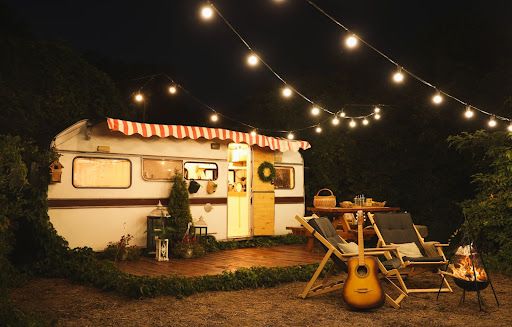
- Cold-weather RV prep matters: Desert nights can swing 40+ degrees from afternoon to midnight
Why is fall and winter the best time to RV camp at Joshua Tree?
Most people think of desert parks as hot-weather destinations. Joshua Tree works the other way around. The park's camping infrastructure is built for the cooler months — several campgrounds close entirely from June through September, and the NPS actively discourages summer visits.
What changes from October through February:
- Temperature: Average highs drop from 95°F in September to 84°F in October, 70°F in November, and settle around 60°F through January. That's hiking weather, not survival weather.
- Campground access: Belle and White Tank — closed all summer — reopen in October. All six RV-accessible campgrounds are available.
- Crowds: Spring break (March–April) is Joshua Tree's busiest window. Fall and winter offer the same campgrounds with a fraction of the traffic. Midweek camping in November or January means near-empty loops.
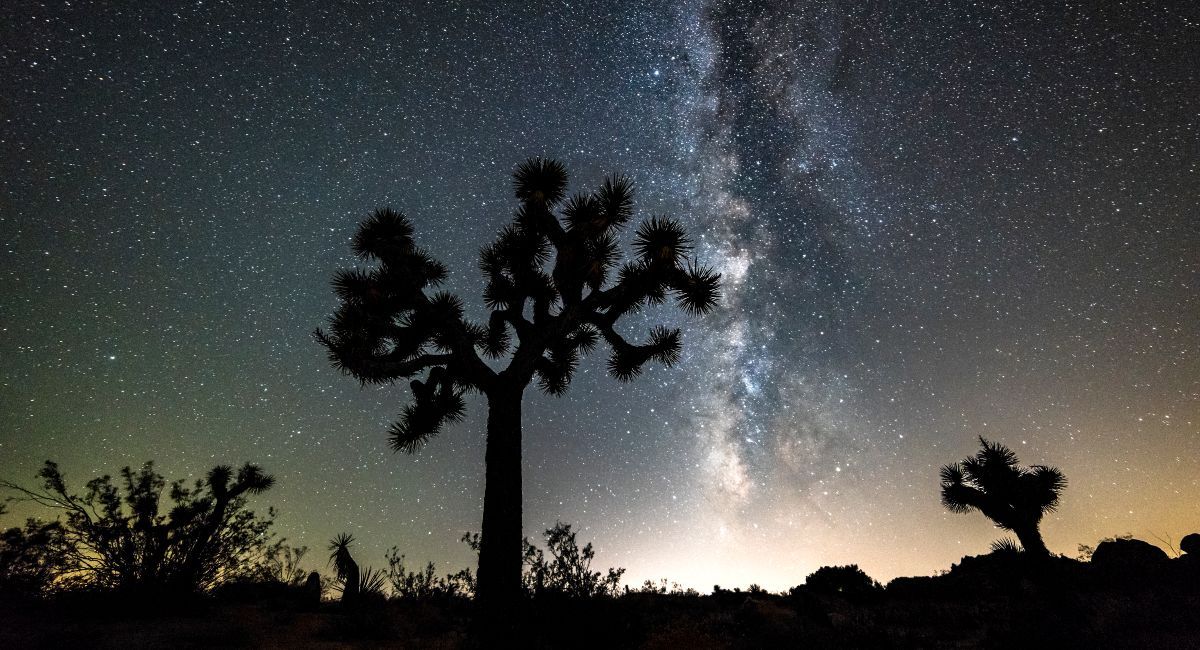
- Stargazing: Joshua Tree holds an International Dark Sky Park designation. The best viewing conditions line up with winter — cold, dry air produces less atmospheric distortion, and the longest nights give you more hours under dark skies.
- Wildlife: Cooler temperatures bring out species that hide during summer. Bighorn sheep are more active. Rattlesnakes and scorpions are far less of a concern below 50°F.
In our experience, the renters who have the best Joshua Tree trips book October or November — the heat breaks, the crowds haven't arrived for spring, and you can actually hike past noon without worrying about heat exhaustion.
What does each month look like for RV camping at Joshua Tree?
Not every month between September and February is equal. Here's what you're actually walking into.
September — still too hot for most
Average high: 95°F. Average low: 65°F. Rainfall: 0.3 inches.
September is the tail end of summer, not the start of fall — at least at Joshua Tree. Daytime temperatures still push into the 90s, and most first-come campgrounds remain closed. The last week of September starts to cool, but you're gambling on conditions that could still be uncomfortable in an RV without strong air conditioning. If you're set on September, target Black Rock at 4,000 feet where temperatures run 10–15 degrees cooler than the valley floor.
October — the season opens
Average high: 84°F. Average low: 54°F. Rainfall: 0.2 inches.
October is when Joshua Tree becomes an RV destination again. Belle and White Tank reopen after summer closures. Daytime temperatures settle into the comfortable 80s, and overnight lows in the 50s make sleeping in an RV pleasant without heat or heavy blankets. Weekend campgrounds start filling — first-come sites at Hidden Valley and Belle can be full by Friday afternoon from mid-October on. Arrive Thursday if you want a spot.
November — the sweet spot
Average high: 70°F. Average low: 43°F. Rainfall: 0.3 inches.
This is arguably Joshua Tree's best month for RV camping. Hiking temperatures are perfect. Crowds thin after Halloween weekend. Overnight lows dip into the 40s — comfortable with a light furnace cycle but no freeze risk at lower campgrounds. Stargazing season begins in earnest as the air dries out and nights lengthen. Black Rock at 4,000 feet can touch the high 30s overnight — bring a warm layer for stargazing sessions.
December — cold nights, clear skies
Average high: 60°F. Average low: 36°F. Rainfall: 0.6 inches.
December brings the coldest conditions most campers will encounter at Joshua Tree. Black Rock and other higher campgrounds can dip below freezing overnight. You'll need your RV furnace running and should consider cold-weather RV preparations — insulated hose connections, tank heaters, and window insulation. The tradeoff: December stargazing is extraordinary. The winter solstice delivers the longest nights of the year, and the cold, dry desert air produces some of the clearest skies you'll find within a few hours of LA. Crowds are at their annual low.
January — the coldest month
Average high: 60°F. Average low: 35°F. Rainfall: 0.8 inches.
January matches December's temperatures and adds the most precipitation of any month. Desert rain is still rare — 0.8 inches total — but winter storms can roll through with surprising force. These storms set the stage for wildflower blooms later. Campgrounds are at their quietest. RV campers with cold-weather setups get Joshua Tree almost to themselves. Freezing overnight temperatures are common at Black Rock (4,000 ft) and possible at Cottonwood (3,000 ft).
February — the warming trend
Average high: 65°F. Average low: 38°F. Rainfall: 0.9 inches.
February starts the climb back toward spring. Daytime highs hit the mid-60s. Early wildflower scouts begin showing up in wet years — desert blooms can start as early as mid-February at lower elevations, with the main display running March through April depending on winter rainfall. Campground pressure starts building toward spring break, but February weekdays still offer open sites. The pattern we see in booking data: winter weekends at Black Rock sell out 5–6 months in advance, while midweek sites stay available through December — if your schedule is flexible, Tuesday-through-Thursday stays are the move.
How do you prepare an RV for cold desert nights at Joshua Tree?
The desert's temperature swings are the challenge. We hear from RV owners listing near Palm Springs that the most common winter mistake is underestimating how fast desert temperatures drop after sunset — it can swing 40 degrees between afternoon and midnight. A 70°F afternoon can turn into a 30°F night.
Insulation:
- Window insulation covers (reflective foam cut to fit) make the biggest difference per dollar spent
- RV skirting blocks wind from circulating under the floor — not essential at Joshua Tree, but helpful at Black Rock where wind is constant
- Draft-seal entry doors and slide-out seams
Water system protection:
- Heated water hoses prevent freeze-ups at sites with hookups (Black Rock and Cottonwood have water but no hookups — you're on your freshwater tank)
- Insulate exposed water lines under the RV
- At below-freezing sites, keep a cabinet door open under the kitchen sink to let interior heat reach pipes
- Drain exterior showers and disconnect city water fittings at night
Propane management:
- Furnace propane consumption roughly doubles below 40°F
- A 30-lb tank might last 3–4 days running the furnace intermittently overnight
- Carry a backup tank or know where to refill — Twentynine Palms and Joshua Tree town have propane suppliers
- A small electric space heater works as a furnace supplement at campgrounds with no hookups if you run a generator during allowed hours
Battery and power:
- Cold reduces battery capacity 30–50%
- Generator hours at Joshua Tree: 7–9 a.m., noon–2 p.m., 5–7 p.m. — six hours total
- Portable solar panels charge batteries during the day for overnight furnace power
- Pack an essentials kit that includes extra blankets, battery banks for devices, and a headlamp for middle-of-the-night bathroom trips
Sleeping comfort:
- A 20°F-rated sleeping bag as a backup to your RV bedding
- Catalytic propane heaters (vented models) provide silent heat without the furnace fan cycling on and off all night — check your RV's compatibility
Which campgrounds are open in fall and winter at Joshua Tree?
All six RV-accessible campgrounds operate during the fall-winter window, but availability and conditions vary.
- Black Rock (reservation, Recreation.gov) — open with high weekend demand in fall, and open through winter when freezing overnight temperatures are common. At 4,000 feet it's the coldest campground in the park, but it has water, flush toilets, and a dump station.
- Cottonwood (reservation, Recreation.gov) — open with moderate demand in fall, and open in winter with near-freezing nights possible. At 3,000 feet it runs warmer than Black Rock, and also has water, flush toilets, and a dump station.
- Indian Cove (reservation, Recreation.gov) — open through both seasons. 25-foot RV limit, no water, and popular with climbers.
- Belle (first-come) — reopens in October and stays open until its summer closure. 35-foot limit (most sites fit 25–30 feet), no water.
- Hidden Valley (first-come) — open in fall and the one first-come campground that stays open year-round through winter. 25-foot limit, no water, best bouldering access.
- White Tank (first-come) — reopens in October and stays open until its summer closure. 25-foot limit, no water, and the park's smallest campground at 15 sites.
Reservation strategy for fall-winter:
Black Rock and Cottonwood reservations open on a rolling 6-month window through Recreation.gov. Fall weekends (especially October and Thanksgiving week) sell out within days of opening. If you're flexible, target midweek — availability is dramatically better Tuesday through Thursday, even in peak fall weeks.
First-come strategy:
Belle, Hidden Valley, and White Tank don't take reservations. Arrive by Thursday afternoon for weekend camping. In winter (December–January), midweek arrivals will often find half-empty campgrounds. Hidden Valley is the only first-come campground open year-round.
What makes Joshua Tree one of the best winter stargazing destinations?
Joshua Tree earned its International Dark Sky Park designation in 2017, and winter is when that designation pays off most.
Why winter is optimal:
- Cold, dry air produces less atmospheric turbulence than warm air — stars appear sharper and steadier
- Longest nights: December and January give you 14+ hours of darkness, compared to 10 hours in summer
- Milky Way positioning: The galactic core is below the horizon in winter, but the winter sky offers its own showcase — Orion, Sirius (the brightest star), the Pleiades cluster, and the Andromeda Galaxy (visible to the naked eye on clear nights)
- Low humidity: Desert winter air has almost zero moisture, which eliminates the haze that plagues coastal stargazing
Best viewing spots in the park:
- Keys View parking lot (5,185 ft) — the highest easily accessible point. Panoramic views, minimal light pollution from any direction. Cold and windy in winter.
- Cottonwood campground area — south side of the park, farthest from Highway 62's light spill
- Cap Rock parking area — dark, accessible, and out of the wind shadow that hits Keys View
RV camping advantage:
Renters who've camped at Joshua Tree in January tell us the stargazing alone was worth the cold — and that's coming from people who weren't sure about desert camping in winter. The RV is the key: you stargaze until your fingers go numb, then retreat to a heated RV to warm up before the next session. Tent campers don't have that option.
Moon phase planning:
Stargazing quality drops dramatically around the full moon. Check a lunar calendar before booking — new moon phases in November through February are the prime windows. The difference between a full-moon night and a new-moon night at Joshua Tree is the difference between seeing a few dozen stars and seeing the Milky Way.
Where should you rent an RV for a fall or winter Joshua Tree trip?
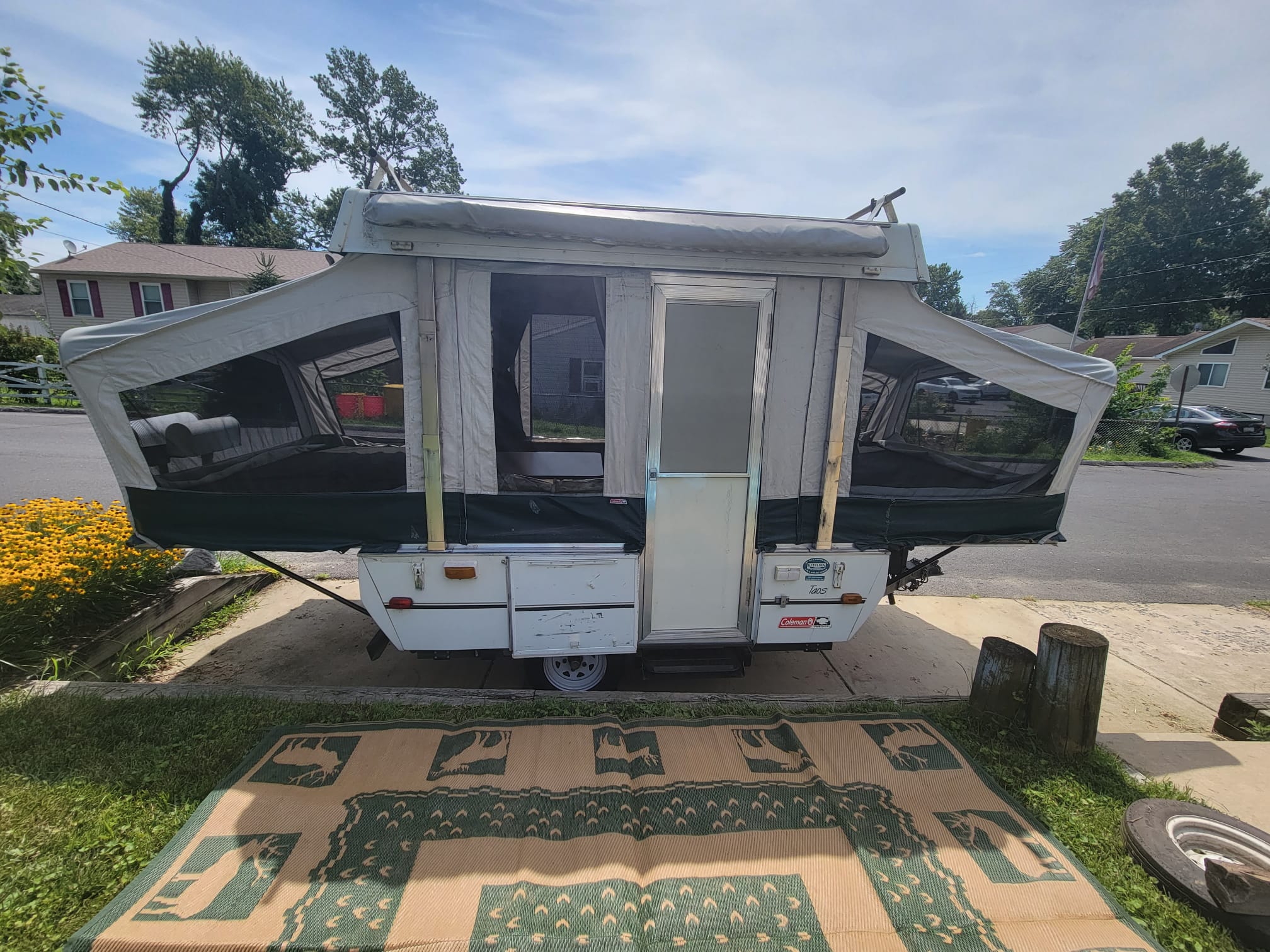
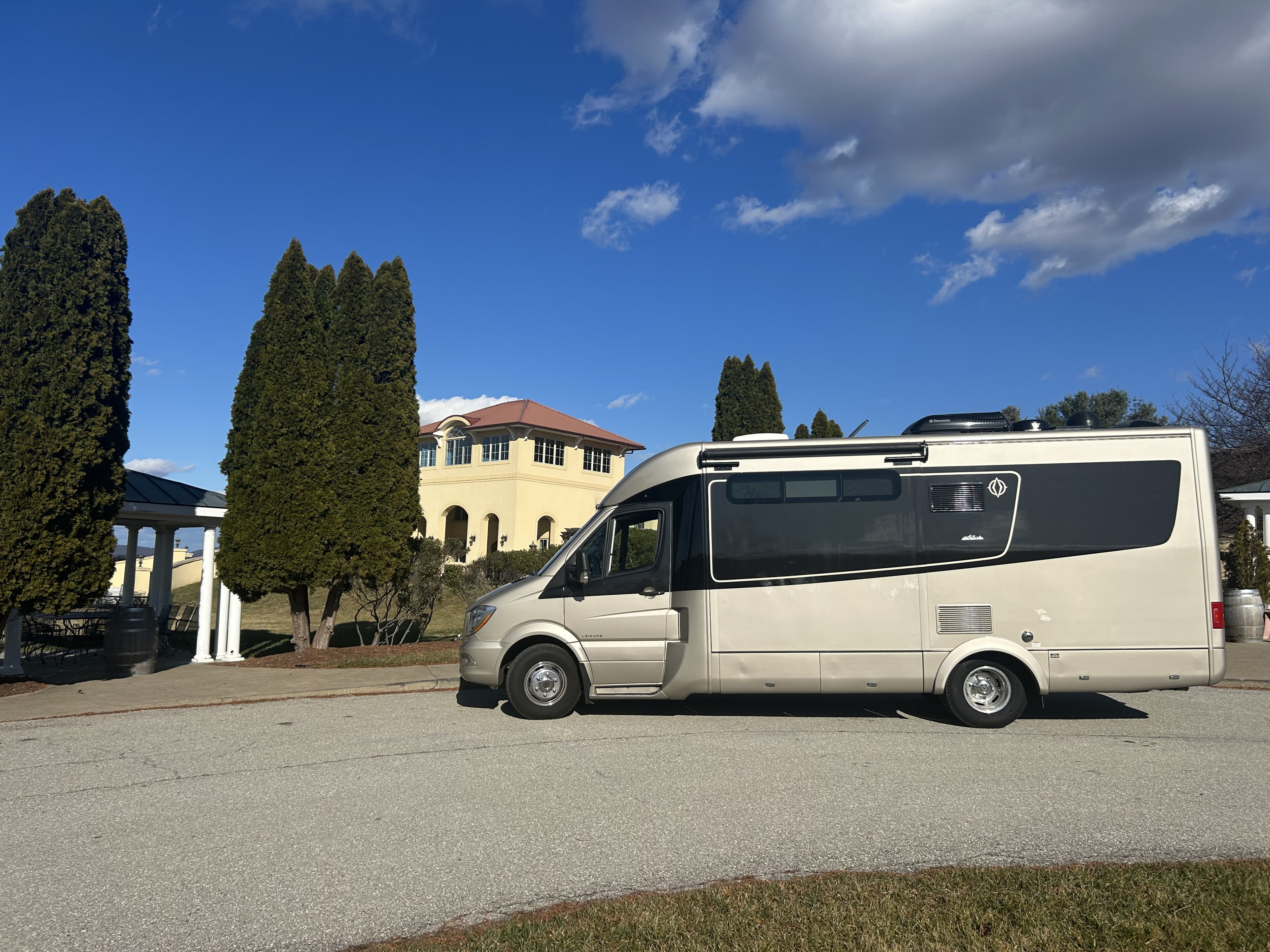
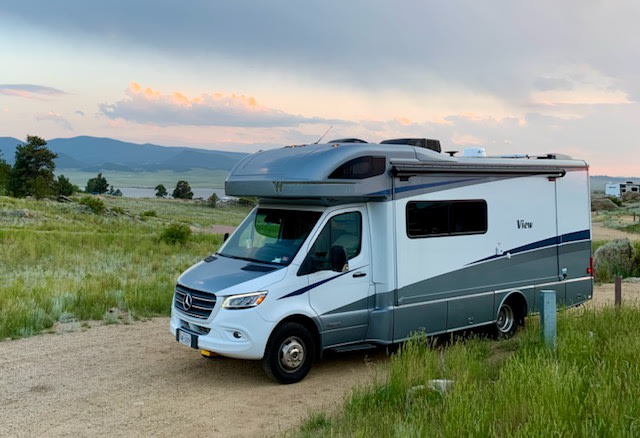
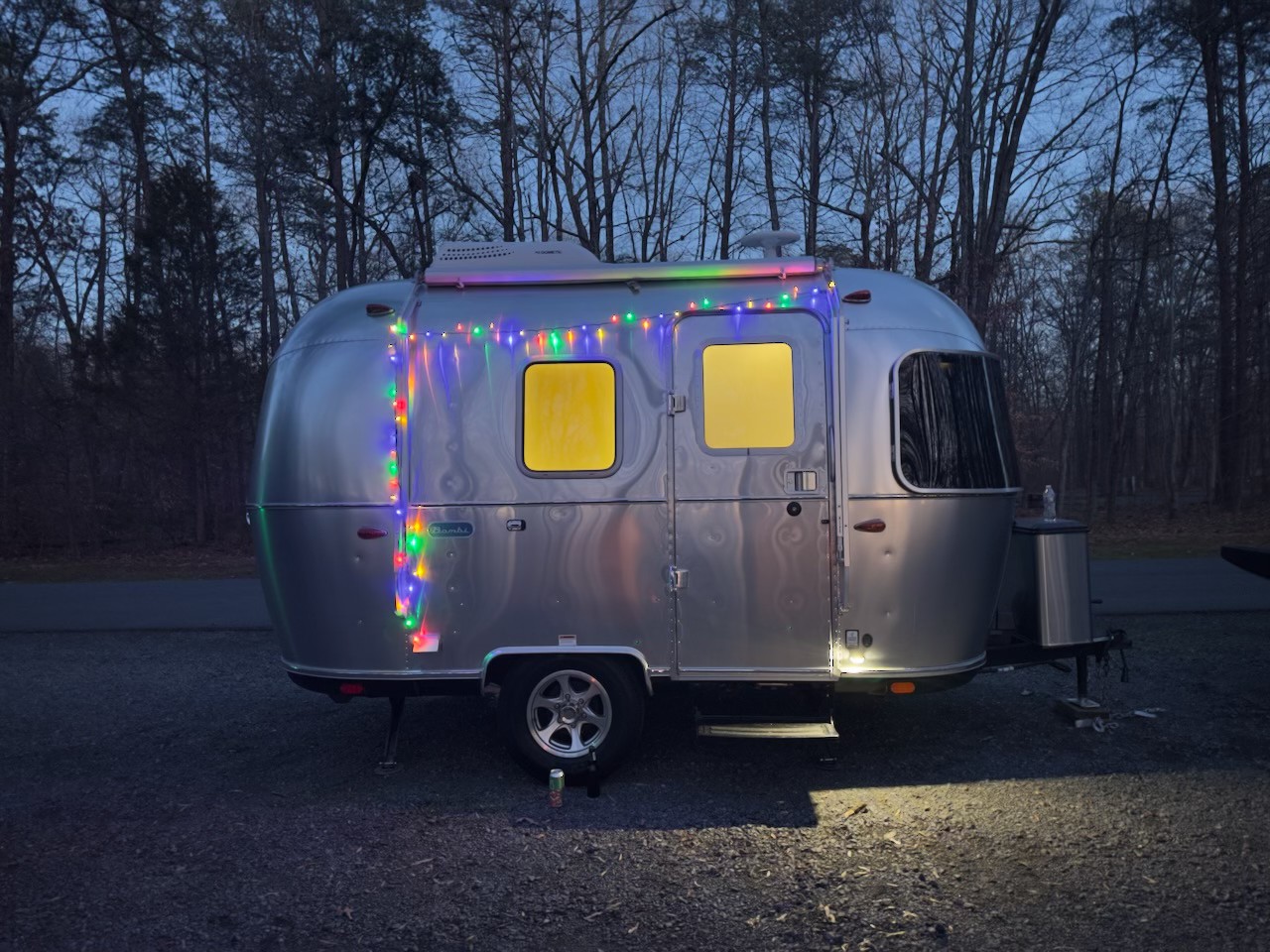
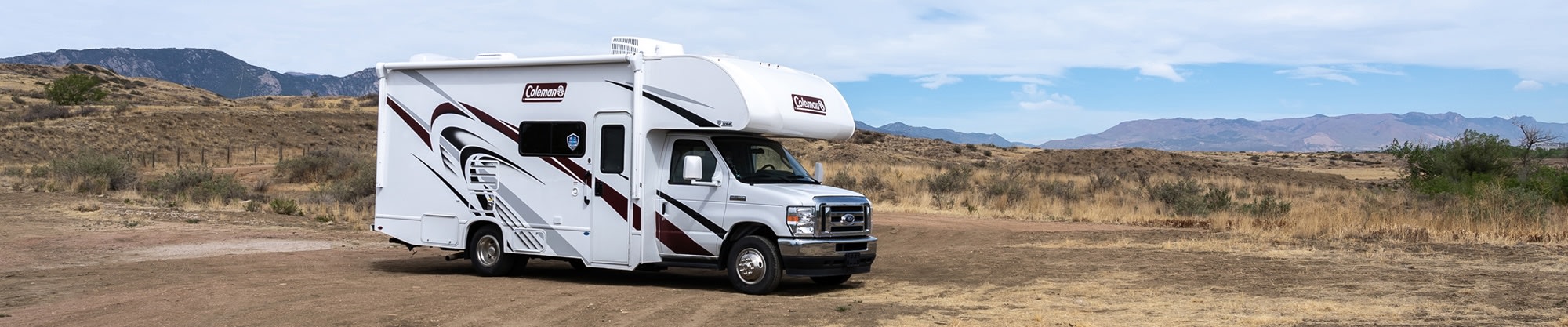
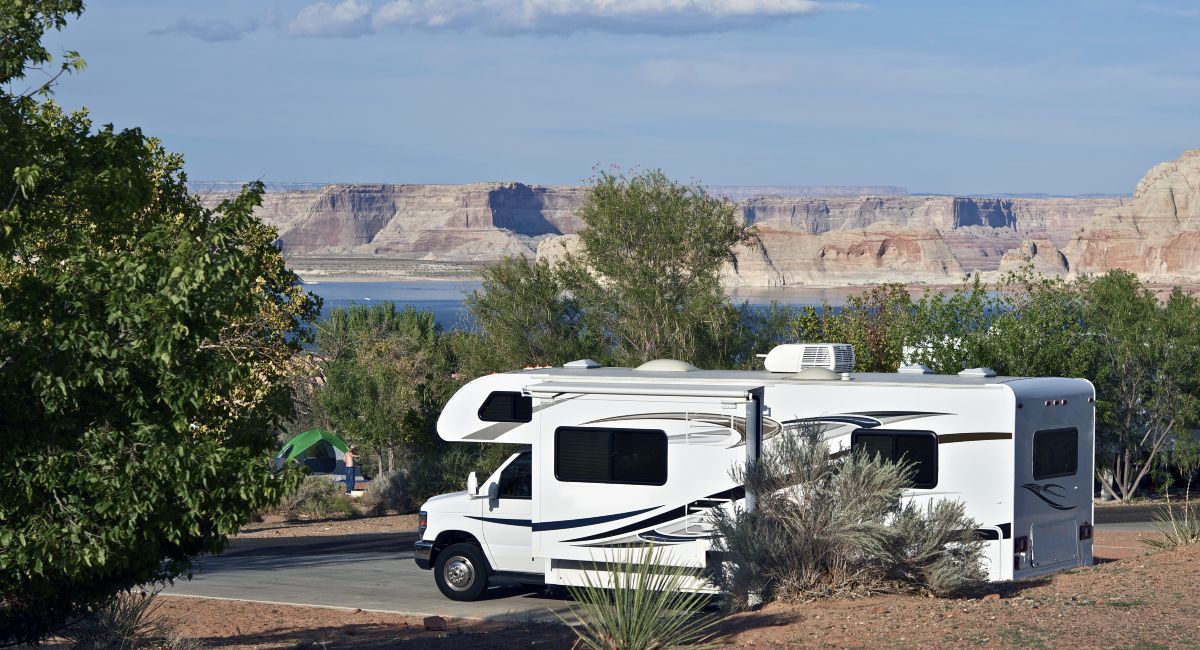
Los Angeles — 2.5 hours to the park's West Entrance via I-10 and Highway 62. The largest rental market in Southern California, with the widest selection of RV types. For winter trips, look for rigs with a working furnace, insulated freshwater tanks, and dual-pane windows. A campervan or compact Class C under 25 feet fits every campground in the park.
San Diego — 3 hours via I-15 North to I-10 East. A good option if you're combining Joshua Tree with Anza-Borrego Desert State Park — both parks peak in the same fall-winter window. San Diego's mild climate means rental RVs there are less likely to have cold-weather features, so ask about furnace and tank insulation before booking.
Winter-specific sizing note: Go smaller than you think. The 25-foot combined-length limit at most Joshua Tree campgrounds matters year-round, but winter adds another reason to size down — smaller RVs heat faster, burn less propane, and are easier to level on uneven desert sites. If you want free camping on BLM land outside the park, a van or small Class C handles the access roads better than a full-size rig.
About this guide
This guide draws on NPS weather data for Joshua Tree National Park and monthly temperature averages from park-area weather stations for seasonal camping conditions. Campground availability and fee details reference the NPS Joshua Tree campgrounds page and Recreation.gov's Joshua Tree gateway listing. Stargazing information references Joshua Tree's International Dark Sky Park designation through DarkSky International. Wildflower timing draws on NPS botanical resources and regional wildflower tracking sources. Cold-weather RV preparation advice reflects input from Outdoorsy hosts who list RVs in the Palm Springs and Los Angeles markets. Verified against current sources as of August 2026.